Jet lag, the groggy and disoriented feeling that comes with crossing time zones, can put a damper on your travel adventures. But fear not! With a few smart strategies and a sprinkle of fun, you can minimize the impact of jet lag and swiftly adjust to a new time zone. In this blog post, we’ll unlock the secrets to taming time zones and ensure you’re ready to rock the clock on your next adventure. So fasten your seatbelts, adjust your watches, and let’s take off on a journey to conquer jet lag like a pro!
- Prepare Before You Fly
- Stay Hydrated
- Adjust Your Sleep Schedule
- Soak Up the Sunlight
- Nap Strategically
- Stay Active
- Eat Smart
- Be Mindful of Sleep Aids
1.Prepare Before You Fly
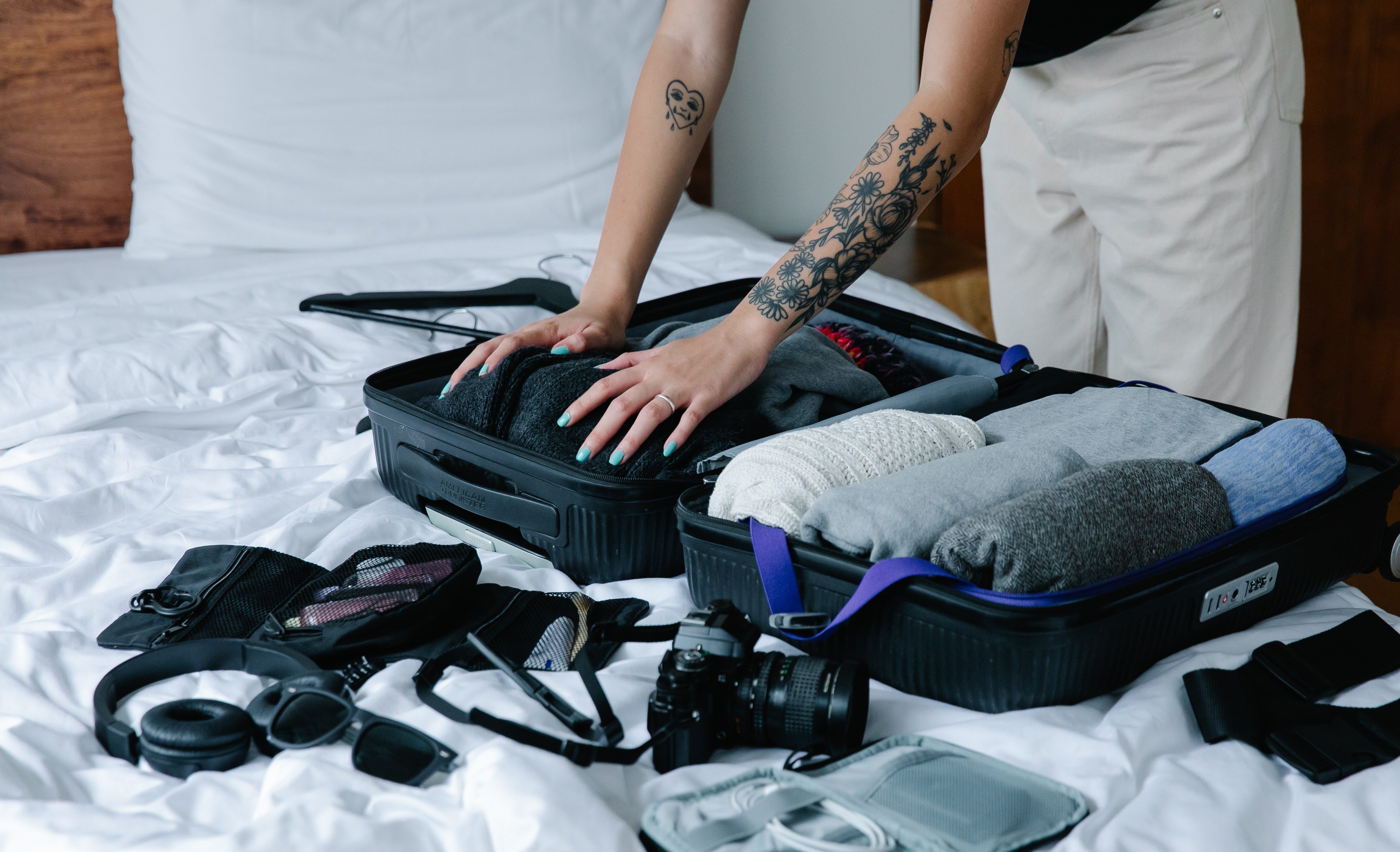
To minimize the impact of jet lag, start preparing your body a few days before your flight. Gradually adjust your sleep schedule by going to bed and waking up earlier or later, depending on your destination. This helps ease the transition and align your body with the new time zone.
2.Stay Hydrated

Hydration is key when combating jet lag. Drink plenty of water before, during, and after your flight to stay hydrated. Avoid excessive alcohol and caffeine, as they can dehydrate you and disrupt your sleep patterns. Keep a water bottle handy during your journey and sip regularly to keep fatigue at bay.
3. Adjust Your Sleep Schedule

Upon arrival at your destination, adjust your sleep schedule to match the local time as quickly as possible. If it’s daytime when you arrive, try to stay awake until evening to help your body adjust to the new time zone. If you arrive in the evening, resist the temptation to sleep immediately and stay awake until a normal bedtime. This helps reset your internal clock and speeds up the adjustment process.
4. Soak Up the Sunlight

Sunlight is a natural regulator of our internal clock. Spend time outdoors and soak up some natural sunlight to help reset your body’s circadian rhythm. Sunlight exposure helps you stay awake and alert during the day and promotes better sleep at night. Take a walk, explore the local sights, or simply sit in a sunny spot to reap the benefits of daylight.
5. Nap Strategically

While it’s tempting to take a nap upon arrival, strategic napping can help combat jet lag. If you’re struggling to stay awake during the day, limit your nap to 20-30 minutes in the early afternoon. This can provide a quick energy boost without interfering with nighttime sleep. Avoid long naps or napping too close to bedtime, as it may disrupt your sleep schedule.
6. Stay Active

Engaging in physical activity can help combat jet lag and boost your energy levels. Go for a walk, take a bike ride, or hit the hotel gym to get your blood flowing and increase alertness. Exercise also promotes better sleep quality, making it easier for your body to adjust to the new time zone.
7. Eat Smart

Adjusting your meal schedule to match the local time can help reset your body clock. Eat meals according to the local meal times, even if you’re not particularly hungry. Avoid heavy meals close to bedtime, as they can disrupt sleep. Instead, opt for lighter, balanced meals that provide sustained energy throughout the day.
8. Be Mindful of Sleep Aids

While sleep aids can be tempting for combating jet lag, use them sparingly and under medical guidance. Over-reliance on sleep aids can interfere with your body’s natural adjustment process. Instead, explore natural remedies like herbal teas or relaxation techniques to promote a restful sleep.
Jet lag doesn’t have to dampen your travel spirits. By implementing these smart strategies, you can minimize its impact and swiftly adjust to a new time zone. Remember to prepare your body beforehand, stay hydrated, adjust your sleep schedule, soak up sunlight, stay active, eat smart, and be mindful of sleep aids. With these tips in your arsenal, you’ll be well-equipped to conquer jet lag and rock the clock on your travel adventures. So, bid farewell to the lag and embrace the joy of seamless time zone transitions. Bon voyage to your next jet-lagged-free journey!